




Curtains rarely get top billing in retail projects. Yet walk into any store with worn, dragging, or inconsistent curtains and the impact is immediate. Customers notice. The staff feel it. The space loses polish.
For interior designers and project managers overseeing multi-store networks, curtain replacement is not a minor maintenance task. It is a controlled system that influences brand consistency, operational efficiency, compliance, and long-term cost.
Handled well, it runs quietly in the background. Handled poorly, it becomes a recurring problem across multiple sites.
This guide takes a more deliberate approach. It focuses on how to plan curtain replacement cycles with precision, so performance holds up across every store.
The Real Role of Curtains in Retail Environments
Curtains in retail are functional infrastructure. They are used constantly, often without care, and expected to perform flawlessly.
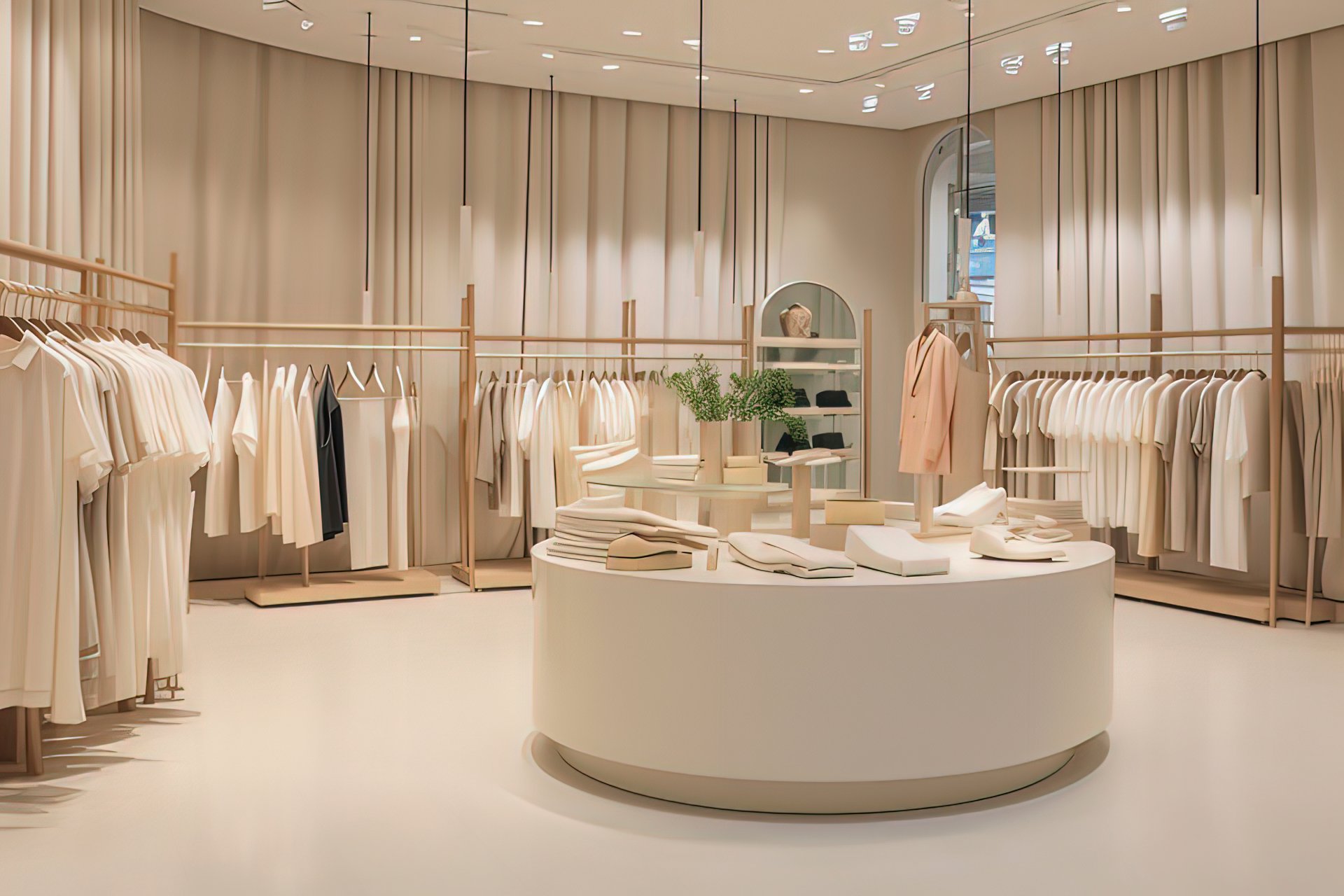
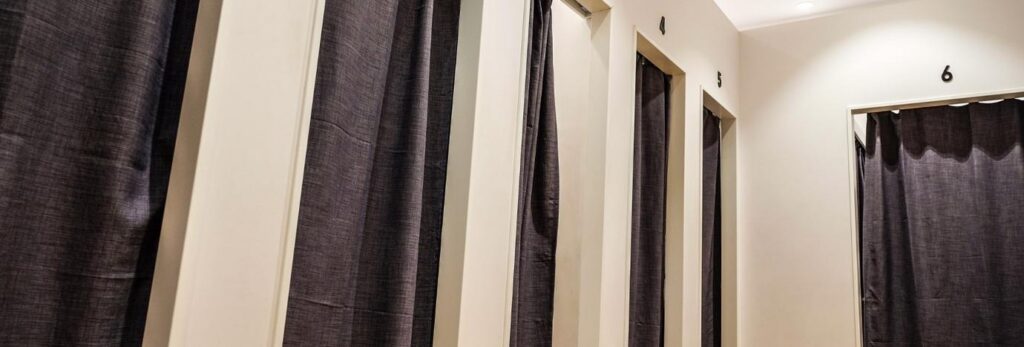
Fitting room curtains influence customer comfort and privacy. In display areas, they control light and shape visual presentation. In partitioned zones, they define how space is used.
Unlike fixed elements, curtains move. That movement introduces wear. Over time, even high-quality systems begin to show strain through:
- Friction in tracks
- Fabric distortion
- Colour fade from UV exposure
- Edge wear from repeated handling
Across a single store, this is manageable. Across a network, it creates visible inconsistency. Some locations feel refined. Others feel neglected.
Replacement cycles bring control back into the system.

Moving Away from Reactive Replacement
Many retail chains still replace curtains only when something fails. A torn panel. A track that jams. A customer complaint.
This reactive approach creates three problems:
- Costs spike unpredictably
- Stores fall out of sync visually
- Emergency replacements disrupt operations
A planned cycle shifts the focus. Instead of reacting to failure, you replace before performance drops.
That shift alone improves outcomes across the board.
Establishing a Realistic Lifespan
To plan properly, you need a grounded understanding of how long curtains actually last in retail conditions.
Fabric performance under pressure
In high-use environments, most commercial fabrics hold their appearance for three to five years. That range depends on:
- Handling frequency
- Exposure to sunlight
- Cleaning methods
- Fabric composition
Polyester-based commercial fabrics tend to outperform natural fibres in retail. They resist abrasion, hold colour longer, and maintain structure under repeated use.
Abrasion ratings matter. For fitting rooms, specifying fabrics above 20,000 Martindale rubs is a minimum. High-traffic locations should push well beyond that.
Curtain track system and hardware durability
Tracks and hardware often outlast fabrics, but only when correctly specified.
Light-duty systems are not built for retail. Under constant use, they can deform, bind, or fail within a few years.
Commercial-grade aluminium track systems, custom made and installed correctly, can perform for seven to ten years or longer. The difference lies in load capacity, fixing method, and component quality.
When hardware fails, the entire system feels compromised, even if the fabric is still intact.
Segmenting Your Store Portfolio
A single replacement timeline does not suit every store. The network needs to be mapped and grouped.
Usage intensity
Start by categorising stores based on activity:
- High-traffic flagship locations
- Standard retail environments
- Lower-volume or regional stores
Each category will demand a different replacement rhythm. High-use locations simply wear faster. Treating them the same as low-use stores leads to uneven results.
Environmental exposure
Consider how each store interacts with its environment.
- Large glass façades increase UV exposure
- Coastal locations introduce humidity and salt
- Enclosed malls may reduce environmental stress but increase handling frequency
These factors influence both fabric lifespan and hardware performance.
Aligning with broader refresh cycles
Retail fit-outs are often refreshed every five to seven years. Curtains rarely last that long without intervention.
A well-structured plan positions curtain replacement as part of the broader lifecycle, rather than an isolated task.
Building a Replacement Framework That Works
Once your stores are segmented, you can define a structured approach.
A practical model for retail chains looks like this:
- High-traffic stores: Replace every 2.5 to 3 years
- Standard stores: Replace every 3 to 4 years
- Low-traffic stores: Replace every 4 to 5 years
Tracks should be reviewed at each replacement point, with full replacement typically required every second fabric cycle.
This approach creates rhythm. It removes guesswork and keeps stores aligned visually.
Specifying for Longevity, Not Just Appearance
Replacement cycles are only effective if the original specification supports durability.
Fabric selection
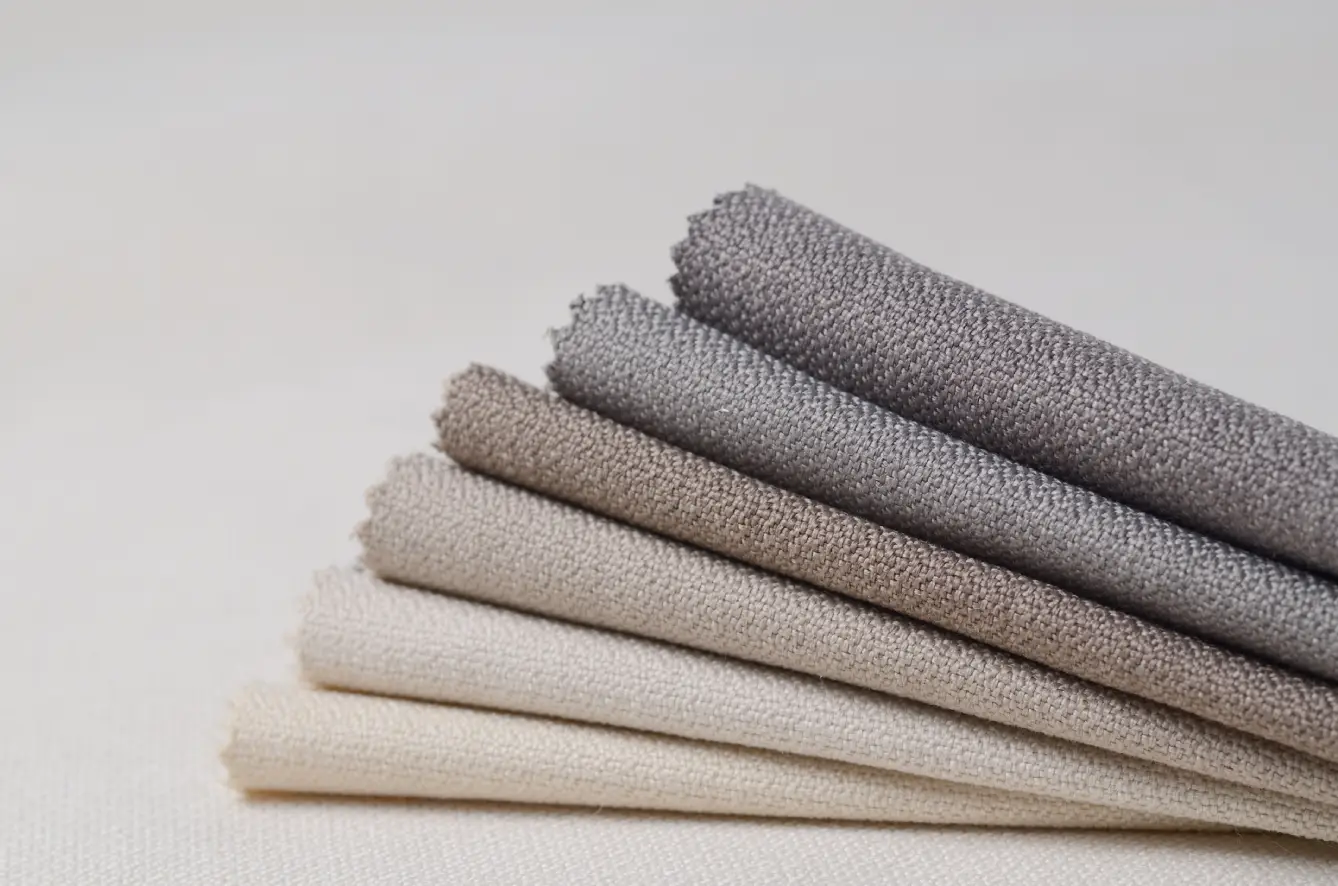
Commercial-grade fabrics are essential. Get free fabric samples from MAC and look for:
- High abrasion resistance
- Colourfastness under artificial and natural light
- Structural stability to prevent sagging or distortion
- Finishes that support cleaning and stain resistance
Fabric weight also plays a role. Heavier fabrics often deliver better drape and durability, but they place greater demand on the track system.
Construction detail
Small construction decisions have a large impact over time.
- Reinforced headings reduce stress at connection points
- Generous hems resist fraying
- Appropriate fullness, typically between 1.8 and 2.2 times the track width, maintains visual consistency
Poor construction accelerates wear, even when the fabric itself is high quality.
Compliance considerations
Retail environments often require fire-rated materials. Specifying certified fabrics ensures compliance and reduces risk.
Working with Australian Made Certified custom curtains also supports consistency across multiple sites, particularly when replicating designs.
Track Systems: Where Performance Is Won or Lost
Curtain performance is governed by the track system as much as the fabric.
Load management
Every curtain system has a load profile. This includes fabric weight, lining, and width.
Track selection must account for:
- Weight per linear metre
- Bracket spacing, typically 400 to 600 millimetres
- Fixing substrate, especially in suspended ceilings or lightweight partitions
Under-specifying leads to sagging, resistance, and early failure.
Movement quality
In retail, smooth operation is non-negotiable. Customers should not struggle to open or close curtains.
High-quality gliders, consistent track alignment, and correct installation all contribute to performance.
Motorisation opportunities
In premium retail environments, motorisation offers clear advantages:
- Reduced manual handling
- Consistent movement across all stores
- Integration with lighting and store automation
Systems compatible with Somfy allow central control and scheduling, which can support both operational efficiency and visual merchandising.
Maintaining Curtains Between Replacement Cycles
Even the best systems require attention between replacement intervals.
Cleaning strategy
Retail curtains should follow a structured cleaning schedule:
- Light maintenance every few months
- Deeper cleaning annually or as required
Cleaning methods must align with fabric specifications to avoid damage.
Regular inspections
Store teams should be trained to identify early signs of wear:
- Increased resistance when operating
- Visible fabric stress or distortion
- Loose brackets or track movement
Addressing these early extends the life of the system and avoids disruption.
Budgeting with Precision
One of the strongest advantages of planned replacement cycles is financial clarity.
Staggered investment
Rather than replacing all curtains at once, spread the work across the network.
Replacing a portion of stores each year creates:
- Predictable budgeting
- Reduced operational disruption
- Continuous improvement across the portfolio
Standardisation
Using consistent specifications simplifies procurement and installation.
Partnering with a manufacturer such as MAC Window Fashions allows you to replicate designs accurately across multiple locations, maintaining a unified brand presentation.
Coordinating Rollouts Across Multiple Sites
Execution is where even strong strategies can break down. Across a retail network, timing, communication, and consistency need to be tightly managed.
Working with a local manufacturer adds a clear advantage here. You gain faster turnaround times, clearer communication, and the ability to respond quickly if site conditions change. There is less risk of shipping delays, batch inconsistencies, or long lead times disrupting your rollout.
Production timelines
Custom curtains require careful scheduling. For multi-store rollouts:
- Plan production in staged batches to maintain quality control
- Allow buffer time for transport and site readiness
- Coordinate closely with store operations to avoid peak trading disruptions
A local manufacturing partner can adjust production schedules more easily and provide realistic timelines based on current demand, helping you avoid costly delays.
Installation consistency
Consistency across sites is critical. Standardised installation guidelines should cover:
- Exact track positioning relative to ceilings and walls
- Precise curtain drop and floor clearance
- Correct stack-back allowances to ensure full access and symmetry
Local support also means installers can access guidance quickly if challenges arise on site, rather than relying on delayed responses or generic instructions.
Across a retail network, even minor inconsistencies stand out. Tight coordination, supported by a responsive local manufacturer, ensures every store delivers the same level of finish and performance.
Designing for Future Adaptation
Retail design is never static. Curtain systems should allow for change.
Replaceable components
Specify systems where fabrics can be replaced without removing tracks. This reduces labour and downtime during future updates.
Flexibility in design
Neutral base fabrics or adaptable systems allow stores to evolve without complete replacement.
Integration with wider design strategy
Curtains should align with lighting, fixtures, and finishes. Replacement cycles should support the overall design direction, not operate in isolation.
A Clear, Repeatable Approach
For designers and project managers, the objective goes beyond basic consistency. It is about controlling performance, lifespan, and visual standards across every site with minimal disruption.
A structured, technical framework makes that possible:
- Conduct a detailed condition audit
Document fabric wear, fading, seam integrity, and heading performance. Assess track alignment, bracket stability, and operational resistance. Record dimensions, fabric types, and installation methods for each store to build a reliable baseline. - Segment stores by usage intensity and environment
Classify locations based on foot traffic, fitting room turnover, UV exposure, and environmental conditions such as humidity. This ensures replacement cycles reflect real-world demands rather than a one-size-fits-all timeline. - Define performance-based replacement cycles
Set clear intervals based on expected fabric lifespan and hardware durability. For example, align high-traffic stores with shorter cycles and include scheduled track inspections or partial hardware upgrades where required. - Specify fabrics and systems with proven durability
Select commercial-grade fabrics with high abrasion ratings, colourfastness, and stable construction. Match these with track systems engineered for the curtain weight, span, and frequency of use. Factor in bracket spacing, fixing substrates, and load distribution to prevent premature failure. - Standardise installation and detailing
Ensure consistent track positioning, curtain drop, fullness ratios, and stack-back allowances across all locations. Clear installation guidelines reduce variation and improve long-term performance. - Implement proactive maintenance and inspection routines
Introduce scheduled cleaning, periodic inspections, and simple reporting processes for store teams. Early detection of wear or mechanical issues helps extend lifespan and avoid operational disruption. - Stagger replacements strategically
Phase upgrades across the store network to spread capital expenditure and maintain consistent brand presentation. Prioritise high-visibility and high-traffic locations to maximise impact. - Partner with a consistent manufacturer and supplier
Working with a single, reliable supplier ensures continuity in fabric batches, construction quality, and system compatibility. It also simplifies reordering, replication, and large-scale rollout coordination.
Specify with Confidence. Deliver with MAC.
Managing multiple retail sites means every detail needs to work harder. Curtains can either support a consistent, polished environment or quietly undermine it.
Working with MAC Window Fashions gives you control where it matters. As a local Australian manufacturer, MAC offers faster lead times, reliable communication, and practical, on-the-ground support when you need it. You are not waiting on overseas production or dealing with delays that impact project timelines.
You also get Australian Made Certified custom curtains, consistent quality across every order, and track systems designed for real retail conditions. Every specification is backed by hands-on expertise and an understanding of how these systems perform in high-use environments.
For designers and project managers, this means fewer site issues, smoother coordination, and results that stay consistent across every store. From specification and free curtain fabric samples through to supply, our team supports projects across Australia with the expertise needed to get it right the first time. Contact us today.