





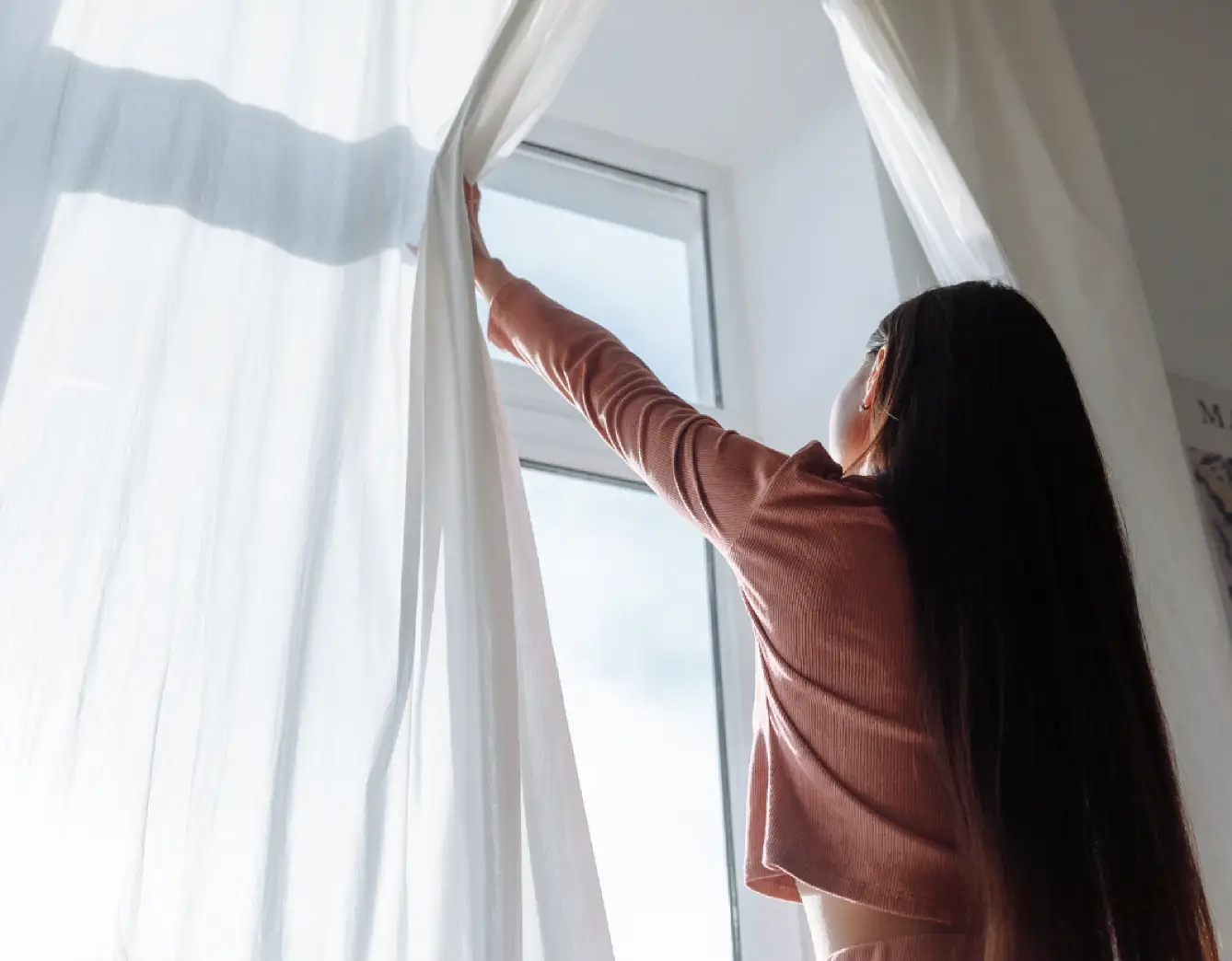


Custom curtains from MAC Window Fashions are a valuable investment, offering style, privacy, and insulation to your home. To keep them looking their best and extending their lifespan, proper care and maintenance are crucial. Whether you have sheers, blockouts, velvet, or coated fabrics, this guide provides practical tips and comprehensive instructions for maintaining all curtain types.
Why Regular Curtain Maintenance Matters
Custom curtains, especially in the Australian climate, face challenges like high UV exposure, dust accumulation, and fluctuating humidity. Proper maintenance ensures:
Enhanced Longevity: Curtains that are cared for properly last significantly longer.
Preserved Appearance: Maintain the vibrancy and texture of your fabrics.
Improved Air Quality: Regular cleaning removes allergens like dust and mould spores.
Sustainability: Extending the life of your curtains reduces waste.
Key Considerations for Curtain Maintenance
Fabric Movement
After installation, curtains may experience up to 3% shrinkage or stretching due to environmental conditions. This adjustment period, typically lasting three months, is a natural process as fabrics adapt to their surroundings.
UV Damage
Australia’s high UV index can cause light fading or fabric deterioration over time. To mitigate this, consider protective measures like lining your curtains or using UV-protective window film.
Refer to Care Labels
Each curtain comes with a care label outlining specific cleaning instructions. Always consult this label before proceeding with any cleaning method.
General Cleaning Instructions
Dusting and Vacuuming
Dusting is the simplest way to keep your curtains fresh.
Use a vacuum cleaner with a soft brush attachment and low suction to gently remove dust from folds and pleats.
Dust weekly to prevent build-up.
Spot Cleaning
Address spills and stains immediately to prevent permanent damage.
Gently mop or scrape the spill without saturating the fabric.
Use cleaning agents as directed, pre-testing on an inconspicuous area.
Avoid excessive rubbing, which may weaken fibres or spread the stain.
Professional Cleaning
For best results, professional cleaning is recommended annually, especially for lined curtains or fabrics prone to shrinkage. Choose services accredited by the Window Coverings Association of Australia Inc. (WCAA) to ensure quality care.
Benefits of Professional Cleaning
Minimises Shrinkage: Professionals use techniques that reduce fabric distortion.
Preserves Coatings: Essential for coated and lined fabrics that may degrade with improper washing.
Comprehensive Results: Removes stubborn stains and deep-seated dirt.
Fabric-Specific Care Instructions
Sheers
Light and airy, sheers are easy to maintain but delicate.
Hand Wash: Wash in cold or warm water (max 40°C) with a gentle laundry liquid.
Air Dry: Drip dry in the shade to prevent fading.
Ironing: Use a warm iron or fabric steamer to remove creases. Avoid temperatures above 120°C.
Blockout Curtains
Designed for insulation and light control, blockout curtains require special handling due to their coating.
Spot Cleaning: Use a damp cloth to clean the surface.
Avoid Washing Machines: Hand washing may damage the coating.
Professional Cleaning: Dry cleaning is the best option to maintain the integrity of the fabric.
Velvet
Luxurious and plush, velvet curtains require extra care.
Dust Removal: Gently shake out dust or vacuum with a soft attachment.
Avoid Brushing: Stiff brushes can damage the pile.
Professional Cleaning: Dry cleaning is highly recommended.
Steaming: Use a fabric steamer to remove creases, ensuring the nozzle doesn’t remain in one spot too long.
Coated Fabrics
These include thermal and waterproof varieties.
Spot Clean Only: Avoid soaking or submerging coated curtains.
Ironing: Iron only the uncoated side with a protective cloth.
Protective Measures: Keep coated fabrics away from direct sunlight to prevent cracking or peeling.
General Washing Guidelines
While professional dry cleaning is often recommended, hand washing is acceptable for certain unlined fabrics if absolutely necessary.
Steps for Hand Washing
1. Remove Hardware: Take off hooks and trims before washing.
2. Use Cold or Warm Water: Ensure the water temperature does not exceed 40°C.
3. Mild Laundry liquids Only: Uselaundry liquids formulated for delicate fabrics.
4. Avoid Harsh Techniques: Do not bleach, wring, rub, or tumble dry.
5. Drip Dry: Hang curtains by their hooks to dry naturally in the shade. Do not use pegs or fold over a clothesline.
Tips for Preventing Damage
Avoid Overhandling
When opening or closing curtains, use tiebacks or control wands instead of pulling directly on the fabric.
Protect Against Sunlight
Install lining or protective window films to reduce exposure to direct sunlight, which causes fading and deterioration.
Regular Adjustments
Prevent uneven stretching by re-hanging and repositioning curtains as needed, especially during the first three months after installation.
Seasonal Deep Cleaning
Twice a year, give your curtains a more thorough cleaning:
1. Remove Curtains
Detach curtains from rods or tracks.
2. Dust and Vacuum
Remove surface dust using a vacuum or duster.
3. Spot Clean
Address stains before proceeding with professional cleaning or washing.
4. Iron or Steam
Restore the fabric’s smooth drape using appropriate heat settings.
5. Inspect and Repair
Check for damage to hooks, tracks, or fabric.
Caring for Curtain Accessories
Tracks and Rods
Clean curtain tracks and rods regularly to prevent dust build-up and ensure smooth operation. Use a silicone-based lubricant on tracks for effortless gliding.
Tiebacks and Trims
Wash tiebacks separately according to their fabric composition. Dust trims regularly to maintain their aesthetic appeal.
Environmental Care Tips
Maintaining curtains sustainably reduces waste and preserves the environment:
Cold Water Washing: Saves energy and prevents shrinkage.
Natural Laundry liquids: Avoid harsh chemicals that could harm the fabric or the environment.
Air Drying: Eliminates the need for energy-intensive dryers.
Dealing with Common Curtain Issues
Wrinkles
Use a handheld steamer or iron on a low setting.
Hang curtains in a steamy bathroom for a natural smoothing effect.
Mould and Mildew
Spot clean with a mixture of vinegar and water.
Ensure the area is well-ventilated to prevent recurrence.
Stains
Treat stains as soon as possible, following the steps outlined in spot cleaning.
For stubborn stains, seek professional help.
Enjoy Your Custom, Australian-Made Curtains for Longer!
With the right cleaning routine, preventative care, and professional services, your custom curtains can maintain their beauty and functionality for years. Whether you’re working with delicate sheers, luxurious velvets, or robust blockouts, following this guide will help you achieve a home that’s fresh, stylish, and well-maintained. Always refer to care labels and don’t hesitate to consult professionals for best results.

FAQs
1. How often should I clean my curtains?
To keep your curtains looking fresh, dust them weekly using a vacuum cleaner with a soft brush attachment or a handheld duster. Spot clean stains as soon as they appear, using a gentle laundry liquid or cleaning agent suitable for the fabric. Schedule professional cleaning at least once a year to remove deep-seated dirt and allergens, especially for lined or coated curtains. Regular maintenance prevents fabric deterioration and ensures your curtains maintain their drape and vibrancy over time.
2. Can I use my washing machine for curtains?
Using a domestic washing machine for curtains is not advisable, particularly for lined, coated, or delicate fabrics. Washing machines can damage these materials through agitation or high spin cycles, leading to shrinkage or wear. Instead, opt for professional cleaning or hand washing if absolutely necessary, and always follow the care label instructions. For unlined and durable fabrics, a gentle hand wash in cold or lukewarm water may suffice, but never use harsh laundry liquids, wring, or tumble dry.
3. How do I protect my curtains from fading?
Curtains are vulnerable to fading due to Australia’s high UV exposure. To protect them, install UV-protective window films or pair your curtains with blockout linings. These additions shield the fabric from direct sunlight and reduce deterioration. Draw curtains during peak sunlight hours or use blinds as a secondary barrier. Rotating or swapping curtains between rooms occasionally can also help balance exposure, prolonging their colour and texture. Investing in high-quality, fade-resistant fabrics is another long-term solution to minimise sun damage.
4. What’s the best way to remove pet hair from curtains?
Pet hair can cling stubbornly to curtain fabrics, but it’s easy to manage with the right tools. Use a lint roller to pick up hair effectively without damaging the fabric. A vacuum cleaner with a soft brush attachment is ideal for more extensive cleaning, especially for heavy drapes. For delicate fabrics, gently pat the surface with a damp microfibre cloth to lift hair without rubbing. Regular cleaning prevents pet hair from embedding deeper into the fibres, keeping curtains clean and fresh.
5. Why is professional cleaning recommended for velvet and lined curtains?