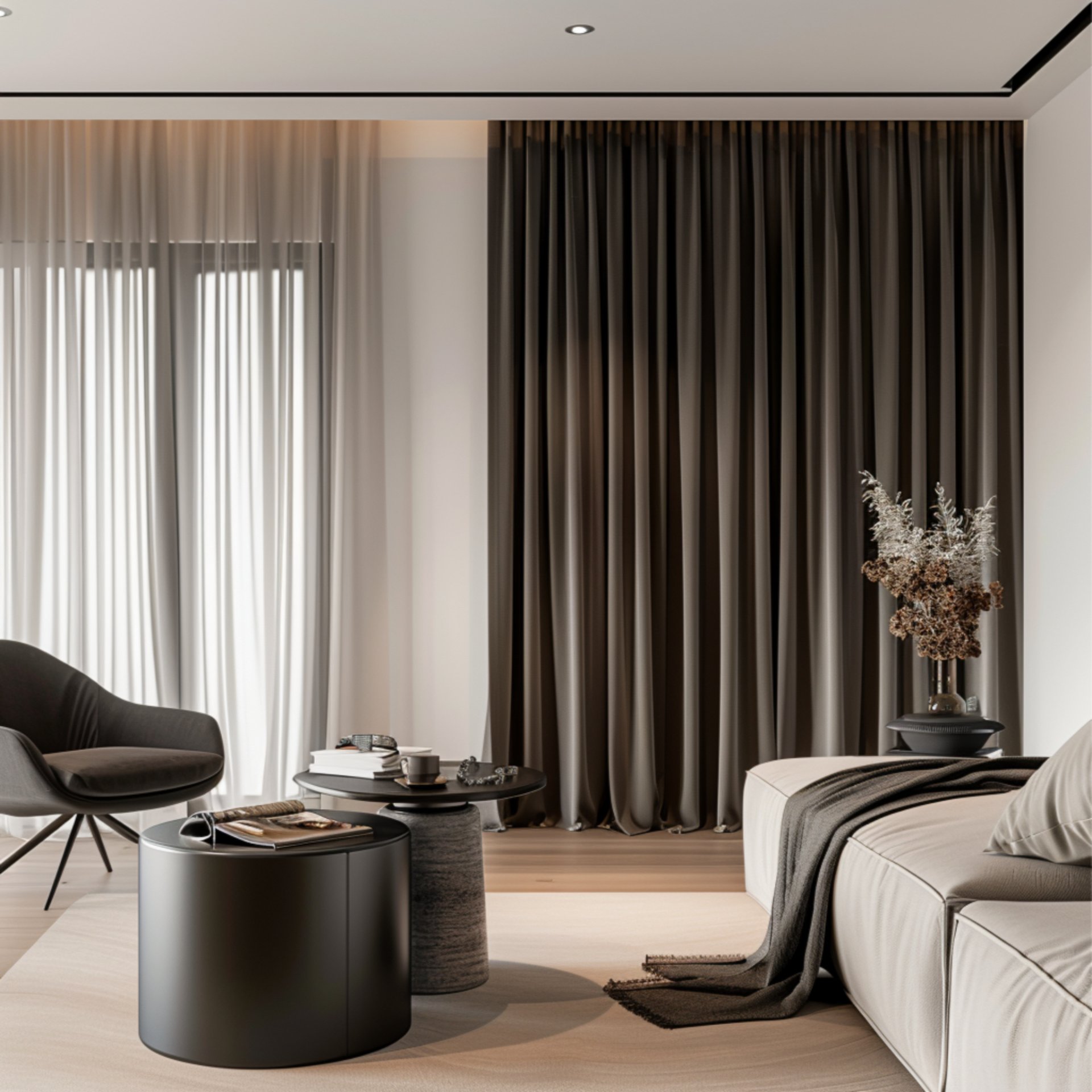

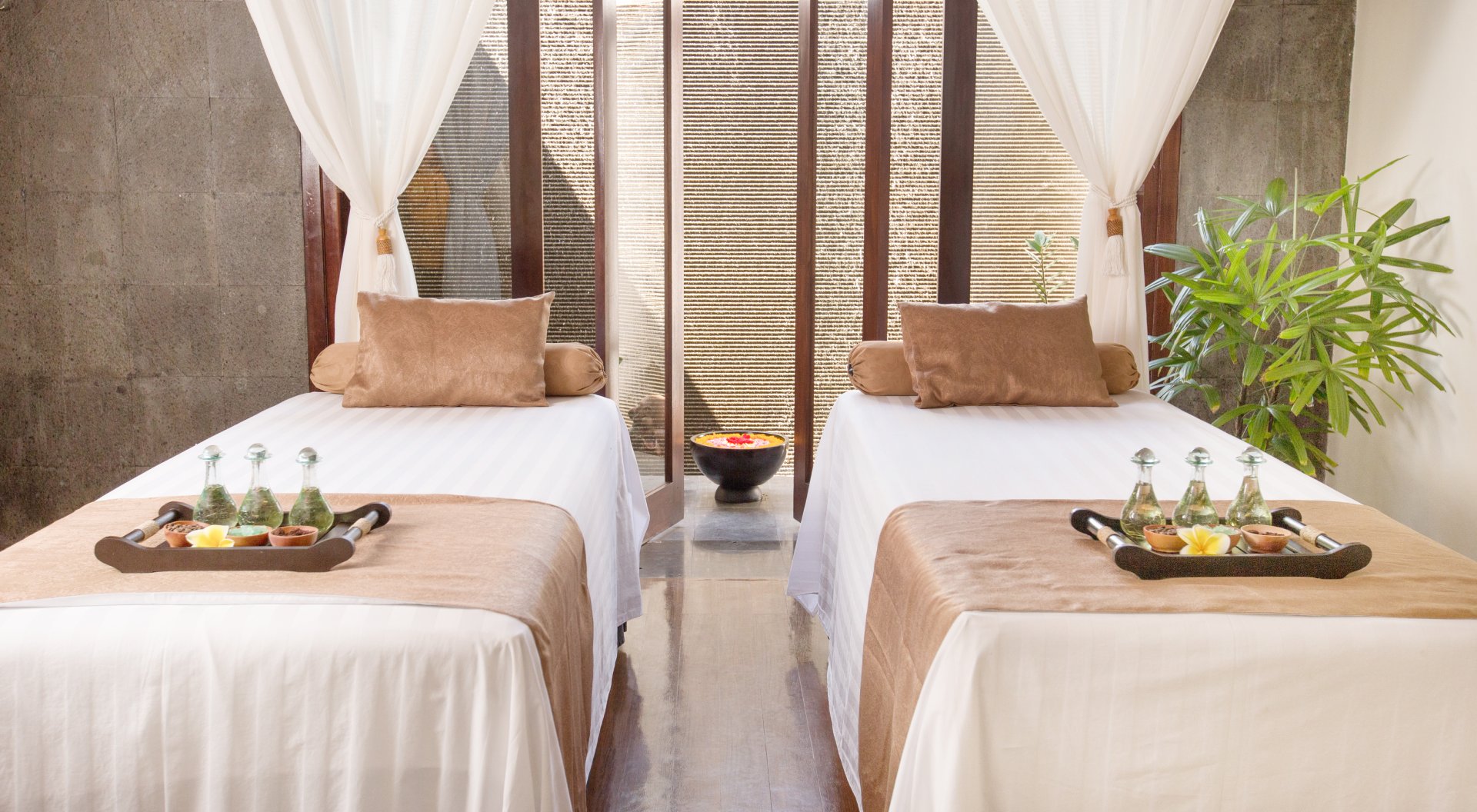
Spa and wellness environments are designed to slow the pace of the outside world. Lighting softens. Sound becomes muted. Materials feel natural and tactile. Every design choice contributes to a sense of calm that allows guests to relax and focus on recovery, rest, or personal care.
Luxurious custom curtains play a quiet but significant role in shaping this experience. They influence light levels, sound quality, privacy, and the overall atmosphere of the space. When selected and installed thoughtfully, curtains can transform treatment rooms, relaxation lounges, and wellness studios into environments that feel calm, balanced, and welcoming.
For designers, architects, and installers working in wellness projects, understanding how curtains contribute to softness, calm, and acoustic comfort leads to better outcomes for both operators and guests.
The Importance of Soft Materials in Wellness Design
Spas often feature hard architectural materials such as stone tiles, polished concrete, glass, and timber. These surfaces look beautiful and are easy to maintain, yet they also reflect sound and light. Without softer materials, the space can feel echoing and clinical rather than relaxing.
Curtains introduce a gentle counterbalance. Fabric absorbs sound, softens visual lines, and creates subtle movement within a room. Even a slight shift in air flow can cause drapery to move, which adds a natural sense of life to an otherwise still environment.
Textile elements also contribute to tactile comfort. Guests may brush past curtains while moving between treatment areas or feel them close around a relaxation pod. Fabrics such as linen blends, textured sheers, or softly woven drapes help reinforce the feeling of warmth and care that wellness spaces aim to provide.
Australian made custom curtains allow designers to control the exact fabric weight, fullness, and length needed for each room. Rather than relying on standard sizes, curtains can be tailored to suit ceiling heights, window widths, and architectural features.
This level of precision ensures that curtains enhance the room instead of appearing as an afterthought.
Managing Light for Restful Spaces
Light control is essential in wellness environments. Guests often spend long periods lying down during treatments, meditation sessions, or relaxation therapies. Direct sunlight or glare can disrupt the calm atmosphere.
Curtains offer flexible control over daylight.
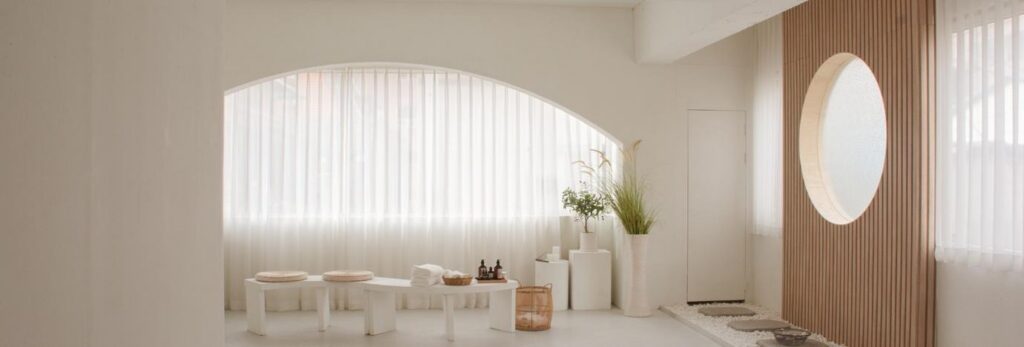
Sheer curtains soften natural light without completely blocking it. This creates a gentle glow throughout the room while maintaining privacy. In spaces such as relaxation lounges or reception areas, sheers provide a balance between openness and comfort.
In treatment rooms, layered curtains often provide the best solution. A combination of sheer curtains and heavier drapes allows staff to adjust light levels depending on the treatment or time of day.
Morning light can be filtered softly through sheer fabric. Later in the day, heavier curtains can close to darken the room for treatments that require low lighting.
Custom curtain track systems support this flexibility. Double track systems allow sheers and blockout curtains to operate independently. Staff can adjust the room quickly without interrupting the guest experience.
Smooth track operation also ensures curtains move quietly. In wellness environments, even small mechanical noises can feel intrusive. High quality curtain tracks minimise friction and provide silent movement, which supports the calm atmosphere.
Acoustic Comfort and Sound Absorption
Noise control remains one of the most overlooked aspects of wellness design. Many spas are located within hotels, gyms, medical centres, or busy urban areas. Even when the interior looks calm, background noise can still affect the guest experience.
Curtains contribute to acoustic comfort by absorbing sound reflections. Fabric surfaces reduce echo and soften the overall acoustic environment.
Treatment rooms benefit particularly from this effect. Conversations between therapists and guests should remain private and clear. Hard surfaces can cause sound to bounce around the room, making speech less comfortable to hear.
Heavy drapes help reduce this reflection, creating a quieter and more controlled sound environment.
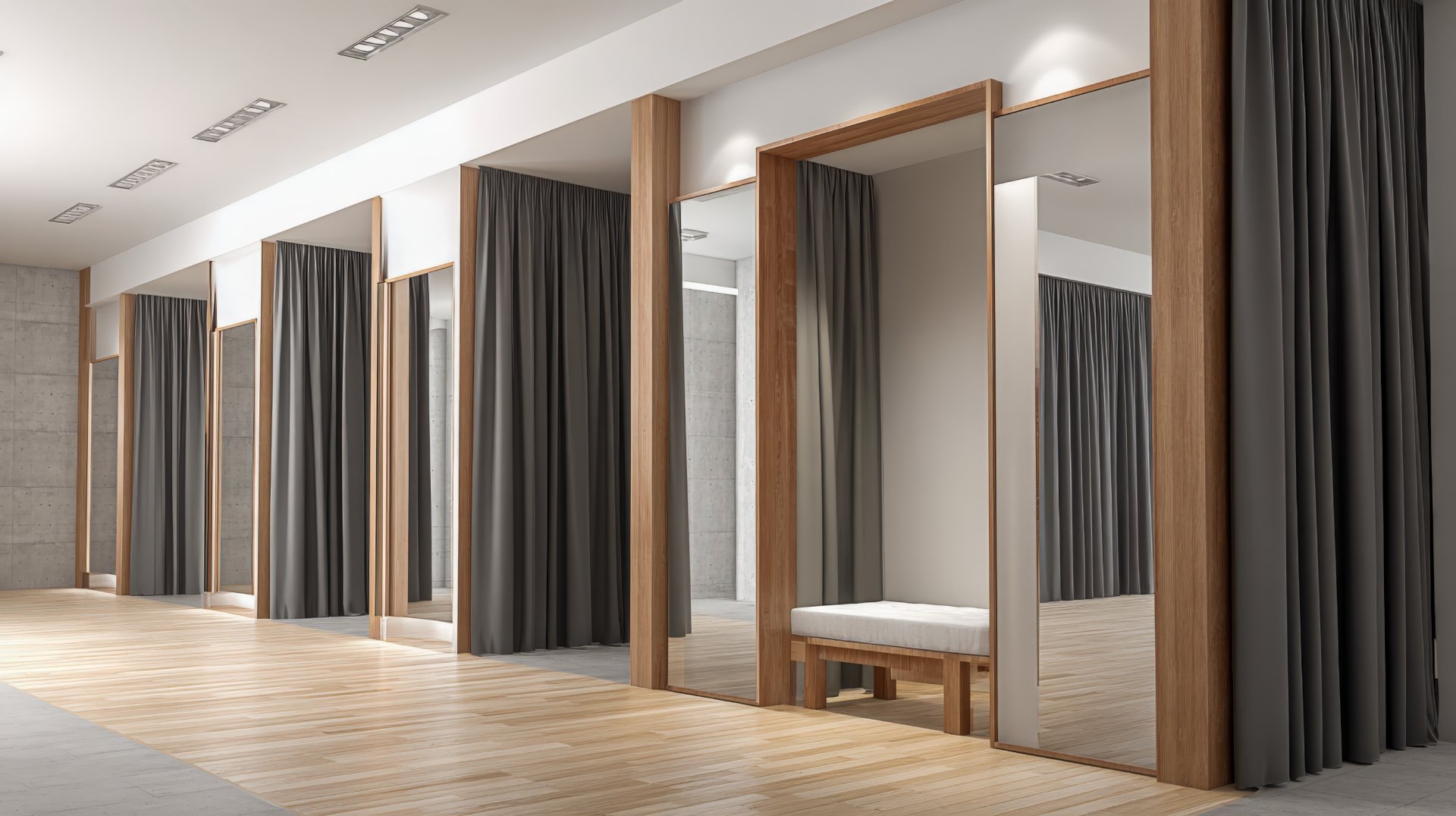
In larger relaxation areas, curtains can also divide space while improving acoustics. A lounge or meditation room may include curtain partitions that separate seating areas or create quiet zones.
These partitions provide privacy while reducing sound transmission across the room.
Acoustic performance depends on several factors including fabric weight, fullness, and installation method. Curtains with generous fullness contain more fabric surface area, which improves their sound absorption capability.
Professional installers often recommend fuller curtain headings for this reason. In wellness environments, the visual softness created by fuller drapes also enhances the sense of comfort.
Privacy Without Hard Barriers
Privacy is essential in many wellness settings. Treatment rooms, massage areas, and consultation spaces require separation while still maintaining a welcoming atmosphere.
Permanent walls can sometimes make a space feel rigid or confined. Curtains provide a more flexible solution.
Floor to ceiling drapes can create private areas that still feel soft and approachable. They allow rooms to adapt to changing needs throughout the day. For example, a yoga studio might open into one large room during group classes but use curtains to create smaller treatment zones during individual sessions.
Curtain partitions also improve workflow. Staff can move easily between areas while maintaining visual privacy for guests.
Custom curtain track systems allow designers to create curved or corner tracks that follow the layout of the room. This approach works well for treatment pods, consultation areas, or hydrotherapy spaces where flexible separation is needed.
Because the curtains remain integrated into the architecture, the room retains a cohesive design rather than appearing temporary.
Fabric Choices That Support Wellness
Selecting the right curtain fabric requires careful consideration. Spa environments involve humidity, essential oils, skincare products, and frequent cleaning. Fabrics must withstand these conditions while maintaining their appearance.
Natural fibres such as cotton and linen blends remain popular in wellness interiors. They provide a soft texture and relaxed visual quality that suits calm environments.
However, durability also matters. Many commercial fabrics combine natural fibres with synthetic yarns to improve strength and longevity. This blend helps fabrics maintain their shape and resist wear in busy facilities.
Colour selection plays an equally important role. Soft neutrals, earthy tones, and muted greens or blues often appear in wellness spaces because they create a sense of balance.
Curtains can reinforce this palette by introducing gentle texture without dominating the room.
Australian made custom curtains allow designers to work with fabric collections that meet commercial performance standards. Fire safety, durability, and washability remain essential in hospitality and healthcare environments.
Local manufacturing also ensures consistent quality and reliable supply, which becomes important when large projects require multiple treatment rooms or stages of installation.
Curtain Track Systems That Support Quiet Operation
The performance of curtains depends heavily on the track system that supports them. Even the most beautiful drapes will feel frustrating if they move poorly or create noise.
Custom curtain track systems provide several advantages in spa and wellness projects.
First, they allow precise alignment with the room layout. Tracks can follow straight lines, gentle curves, or complex architectural shapes. This flexibility helps designers maintain clean visual lines while still achieving functional separation between spaces.
Second, high quality track systems ensure smooth operation. Precision runners glide quietly along the track, allowing staff to open and close curtains with minimal effort.
Motorised track systems are also becoming more common in wellness facilities. With the press of a button, curtains can close gradually to prepare a room for a treatment session or meditation class.
Automation supports a seamless guest experience. Staff can adjust curtains quickly without interrupting the calm atmosphere.
Motorised tracks also help when curtains are installed at high ceiling heights or across large glazed walls, which are common in modern wellness architecture.
When specifying tracks, installers should also consider maintenance access and long term durability. Quality systems designed for commercial environments will withstand frequent daily use while maintaining smooth performance.
Integrating Curtains Into Architectural Design
The most successful wellness spaces integrate curtains into the architecture from the earliest design stages.
Ceiling recessed curtain tracks create a clean and minimal look. The track sits within the ceiling cavity so that the curtain appears to emerge directly from the ceiling line.
This detail reinforces the calm aesthetic of spa interiors, where visible hardware may disrupt the visual softness of the room.
Recessed tracks also improve functionality. Curtains can move freely without obstruction, and the track remains protected from dust or accidental contact.
Large wellness centres often include areas with expansive glazing. Floor to ceiling curtains help manage both light and temperature while creating a sense of enclosure during evening hours.
The scale of these curtains requires careful planning. Track strength, fabric weight, and stacking space all influence how the curtains will perform.
Working with experienced curtain manufacturers ensures that the system matches the architectural requirements of the space.
Long Term Value of Custom Curtains in Wellness Projects
Spas and wellness centres depend heavily on atmosphere. Guests remember how a space made them feel long after they leave.
Curtains contribute quietly to that experience by shaping light, sound, and privacy.
Australian made custom curtains offer several advantages for wellness projects. They allow precise sizing for treatment rooms and large glazing areas. Fabric selections can match the design palette while meeting commercial performance standards. Local manufacturing supports consistent quality and reliable lead times.
When paired with custom curtain track systems, these curtains become part of the building infrastructure rather than decorative additions.
For designers and installers working in the wellness sector, investing time in curtain design leads to practical benefits. Rooms become quieter. Light becomes softer. Guests experience greater privacy and comfort.
These small improvements accumulate into something more meaningful. A well designed curtain system helps transform a functional room into a place where people genuinely feel calm.
Creating Wellness Spaces That Work Beautifully
Designing calm, functional wellness environments requires careful attention to every detail, including curtains and track systems. Partnering with MAC Window Fashions means working with a trusted Australian curtain and track manufacturer that understands performance, durability, and refined design. Our free fabric samples, Australian Made custom curtains, and precision curtain track systems support reliable installation and long term results. Become a MAC partner today or contact our team to discover how we can support your next spa, wellness, or hospitality project.