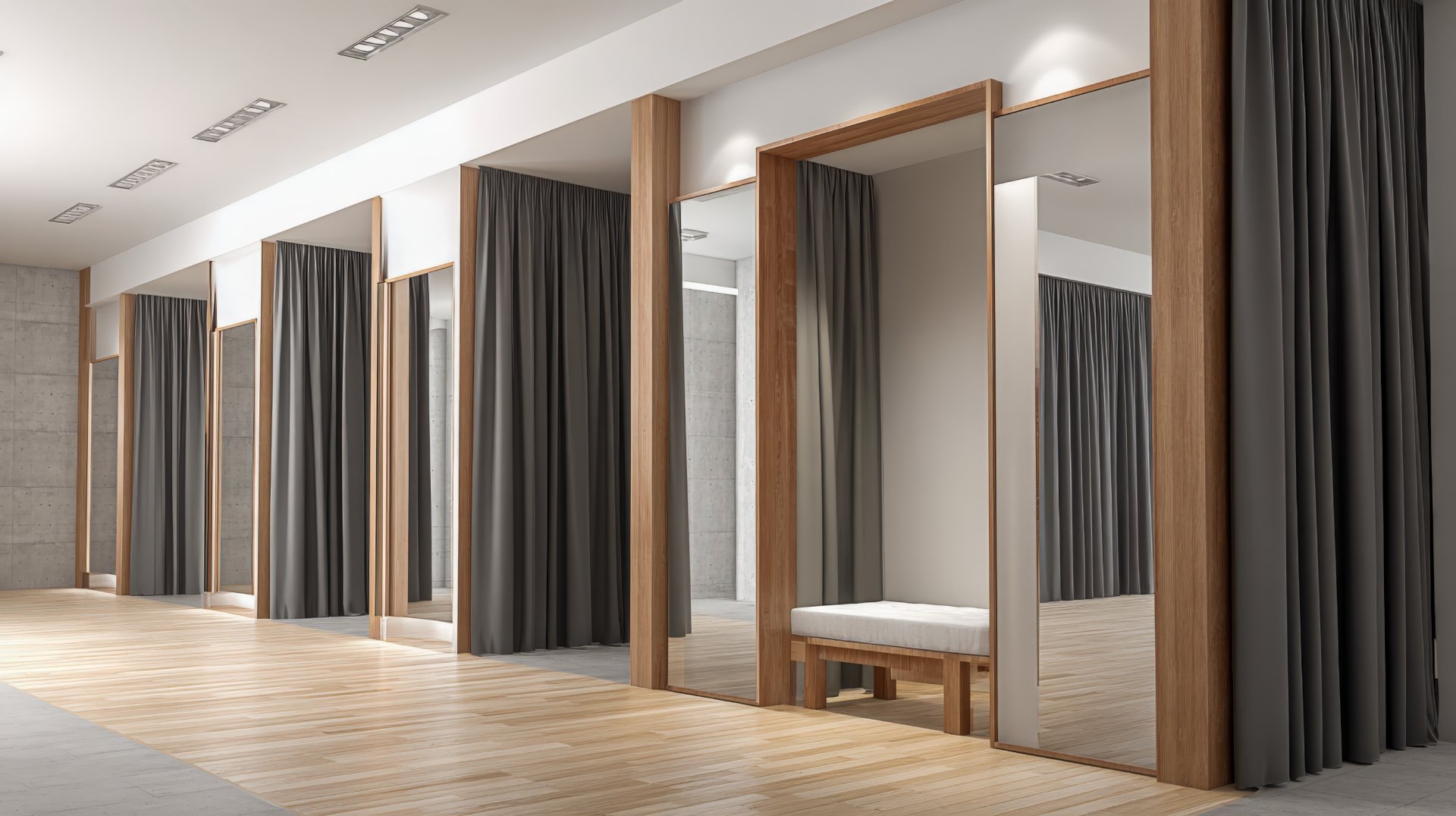

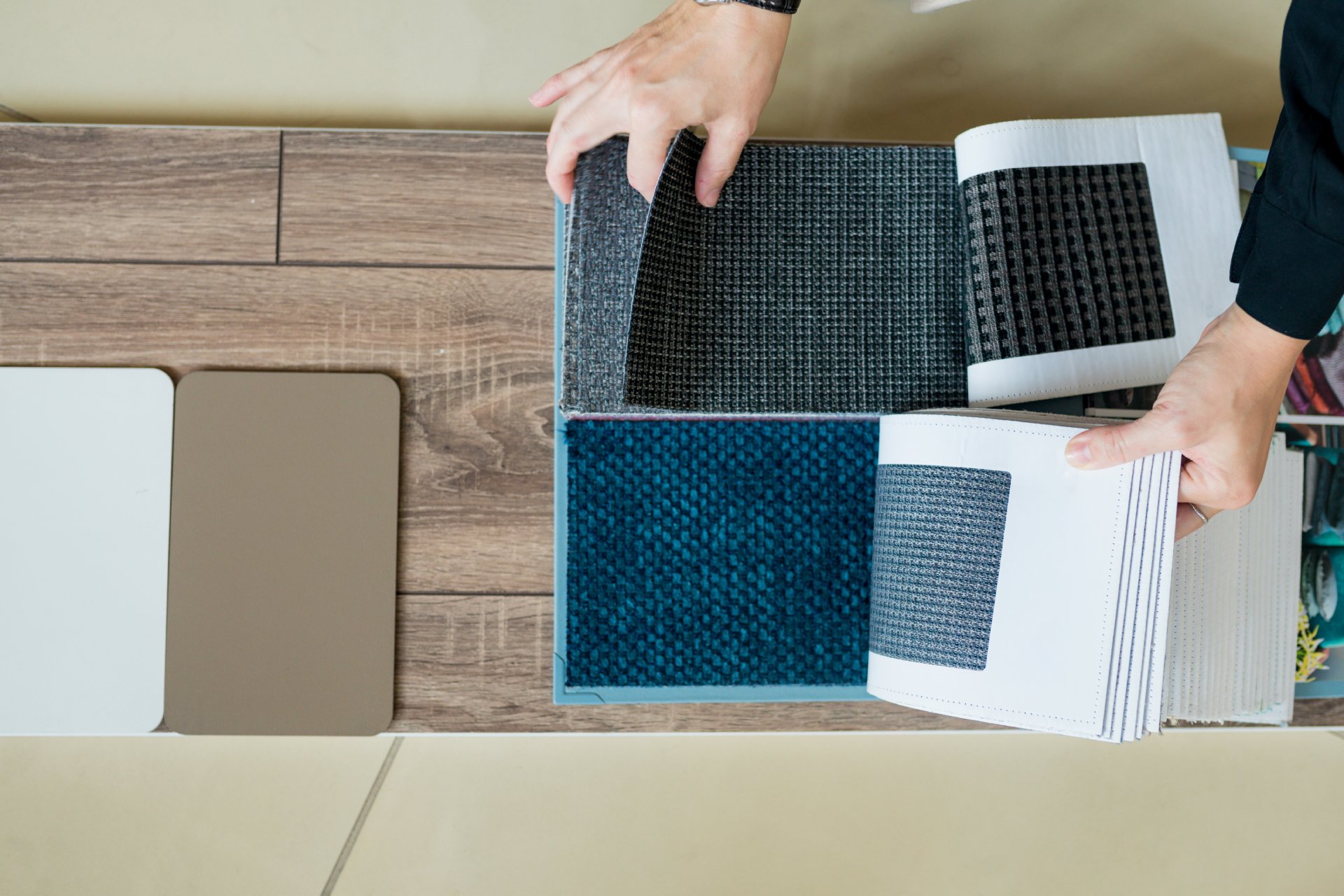
Every curtain project begins with a vision but turning that vision into a tangible result requires more than a colour code or digital rendering. The true character of a fabric only becomes clear when it is handled, folded, and viewed under natural light.
Physical curtain fabric samples allows designers and retailers to test drape, texture, and translucency before a single metre is ordered. It also creates a foundation of trust with clients who want reassurance that what they see will be what they receive. From coordinating colour palettes to confirming light control, the tactile process ensures that design intent translates accurately into production.
MAC Window Fashions supports this professional standard through detailed, trade-ready sample programs that reflect our dedication to quality and precision in supplying Australian Made custom curtains.
The limits of digital representation
A screen cannot replicate the qualities of a woven textile. Even the highest resolution images fail to capture the way threads catch the light or the density that affects how a curtain falls. Fibre structure, weave direction, and finishing all influence how the fabric behaves once installed.
Research into colour perception has repeatedly shown that human vision interprets colour differently under changing light conditions. What appears neutral in daylight may shift under warm indoor lighting. Physical samples allow professionals to view fabrics under actual project lighting, which provides a far more reliable understanding of colour behaviour.
Designers who rely solely on digital images risk underestimating these subtleties. Physical sampling protects against costly mismatches by ensuring that colour, gloss, and texture perform as intended in the final environment.
Evaluating texture, weight, and fall
Texture and drape define the visual success of a curtain installation. Two fabrics with similar compositions can behave very differently depending on weave structure or thread density. A smooth polyester weave may hold crisp pleats, while a linen blend with looser construction will relax into softer folds.
By handling a sample, a designer can assess:
- Whether the fabric requires a lining for body and stability.
- How easily it moves across a curtain track system or responds to motorisation systems.
- How light passes through it at different times of day.
This knowledge cannot be gained from a screen. It relies on direct physical interaction. MAC Window Fashions supports this process by supplying accurately labelled swatches that represent the true quality of our Australian-made curtain range. Retailers can use these samples to confirm how each fabric behaves and advise clients with confidence.
The importance of tactile evaluation in decision-making
Touch has a direct impact on buyer confidence. Studies in consumer behaviour have shown that people make faster and more confident decisions when they can physically interact with a material. For retailers and designers, offering swatches helps clients feel assured that their selection will meet both aesthetic and functional expectations.
When a client holds a swatch, they can experience the softness of a sheer or the density of a blockout. They can see how the weave reacts to light and feel how it complements the textures already present in a room. This interaction bridges the gap between imagination and reality, creating clarity and trust.
Maintaining colour accuracy and design control
A physical fabric sample also serves as a reference standard throughout the design and production process. Once a specific fabric is approved, that swatch becomes the benchmark for all manufacturing, colour matching, and coordination activities.
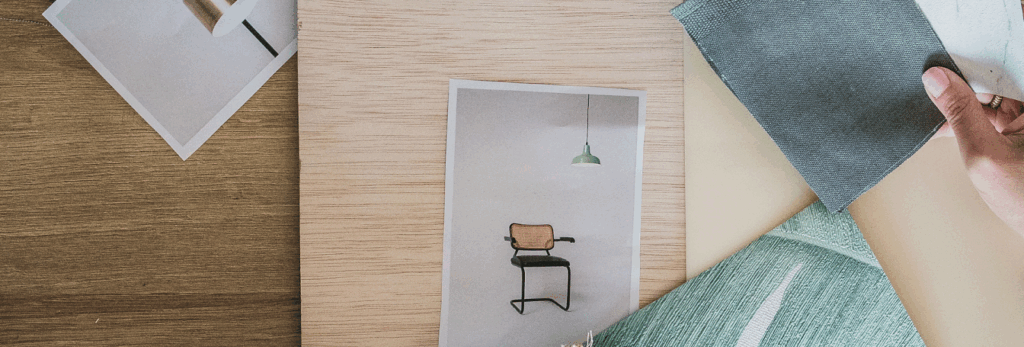
This consistency is particularly important for large residential or commercial projects where multiple spaces require the same fabric specification. A single verified swatch prevents discrepancies between dye lots or supplier batches. Designers can attach it to specification documents or mood boards to maintain visual consistency from design through to installation.
MAC Window Fashions works closely with trusted brands such as Warwick, James Dunlop, and Zepel to ensure colour integrity and weave precision across all collections. Our Australian-made quality control processes provide designers with confidence that what is selected will be delivered exactly as expected.
Streamlining consultations and improving efficiency
Digital tools are ideal for narrowing down options, but physical samples are the tools that confirm final decisions. A well-curated sample library allows designers and retailers to conduct efficient consultations.
Clients can compare sheers, blockouts, and linings in real time. They can evaluate opacity, handle, and finish side by side. This speeds up decision-making and reduces the need for multiple appointments. When clients can see and feel the fabrics, the discussion moves from theoretical possibilities to practical solutions.
In retail showrooms, the physical display of samples also acts as a silent salesperson. Swatch walls, hanger sets, and sample books invite interaction, helping customers visualise their finished space.
Minimising rework and installation issues
Few challenges are as costly as rework caused by incorrect colour or texture expectations. When a fabric looks different after installation, both the installer and the retailer risk additional labour and reputational damage.
Larger samples, such as full-width hangers, allow professionals to demonstrate pattern repeats and transparency levels before production begins. They reveal how the material will look when gathered, backlit, or layered.
By basing client approvals on physical samples rather than screens, professionals reduce the risk of returns, disputes, or redesigns. MAC Window Fashions supports trade partners by offering comprehensive sampling programs that match the scale and precision required for high-quality outcomes.

Facilitating collaboration across project teams
Curtain specification rarely happens in isolation. Designers, builders, architects, and installers must all interpret the same design intent. A physical swatch provides a shared point of reference.
Team members can attach the swatch to technical drawings, colour boards, or specification sheets. Lighting consultants can test the interaction of the fabric with artificial illumination, while builders can ensure that tracks and pelmets suit the chosen material’s weight. This shared reference reduces communication errors and ensures consistency from planning to completion.
Sustainability and informed material selection
Sustainability plays a growing role in project specifications. Designers are increasingly asked to verify material composition, recyclability, and compliance with environmental standards. Physical samples allow these aspects to be evaluated directly.
By examining a fabric, specifiers can check weave density, coating type, and fibre blend. They can confirm that the product aligns with eco-certified linings or meets low-emission standards. These assessments cannot be reliably made from digital images.
Many of MAC Window Fashions’ fabric partners, such as Mokum and Warwick, incorporate sustainable production methods and recycled materials. Physical samples ensure these attributes are visible and verifiable.
Integrating physical and digital workflows
Physical sampling does not replace digital tools; it complements them. Digital catalogues help designers shortlist options quickly, while physical swatches confirm final selections. This hybrid workflow balances convenience with accuracy.
Professionals often begin by filtering collections online based on colour, texture, or price range. Once potential fabrics are identified, they order physical samples for in-person evaluation. This process preserves efficiency without compromising on quality.
MAC Window Fashions provides an online platform that supports this dual approach. Retailers and designers can browse collections digitally, then request physical swatches for the final stage of selection.
Managing a professional fabric library
An effective sample library is an investment in efficiency and professionalism. A well-organised system reduces time spent searching for materials and ensures that clients always view current collections.
Key practices include:
- Sorting fabrics by category, such as sheers, blockouts, and linings.
- Labelling samples clearly with supplier, colour code, composition, and width.
- Regularly rotating out discontinued lines to prevent confusion.
- Storing samples away from sunlight to maintain colour accuracy.
- Providing portable sample packs for site visits or client meetings.
An up-to-date library signals attention to detail. It also helps staff make accurate recommendations based on handling and performance knowledge.
Enhancing the client experience
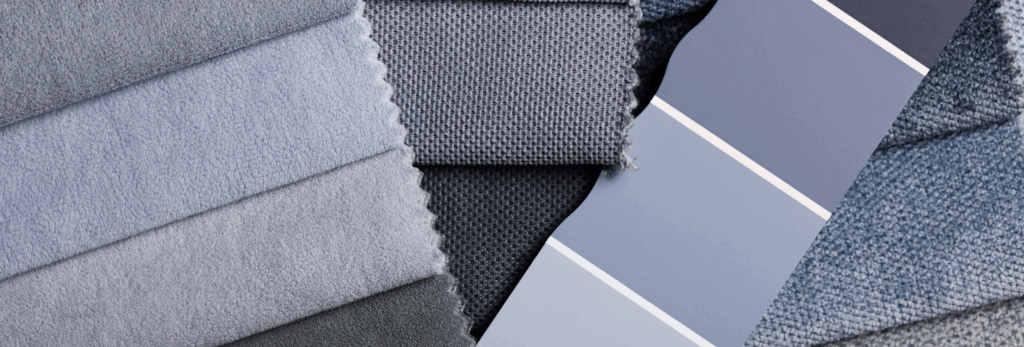
Clients value precision and reliability. When a retailer or designer provides physical samples, it demonstrates care and expertise. A small fabric piece allows clients to visualise the curtain in their own space, under their lighting, and against existing finishes.
This process transforms abstract concepts into tangible possibilities. Clients are more confident in their investment, and professionals can proceed knowing that expectations are aligned. The result is smoother communication, fewer misunderstandings, and greater satisfaction at project completion.
Free Curtain Fabric Samples for Australian Made Certified Custom Curtains
Digital tools have advanced rapidly, yet physical sampling remains the most accurate and trusted method for confirming curtain specifications. The reason is simple: fabrics interact with light, texture, and touch in ways that cannot be replicated digitally.
Physical samples validate design decisions, prevent costly errors, and maintain the professional integrity of retailers and designers. They create a bridge between the technical precision of manufacturing and the sensory expectations of clients.MAC Window Fashions continues to support the trade with free fabric samples delivered Australia-wide that reflect our dedication to Australian-made quality. Each swatch represents reliability, authenticity, and the craftsmanship that underpins every made-to-measure curtain. Become a MAC partner today and ensure your clients are getting the very best results!