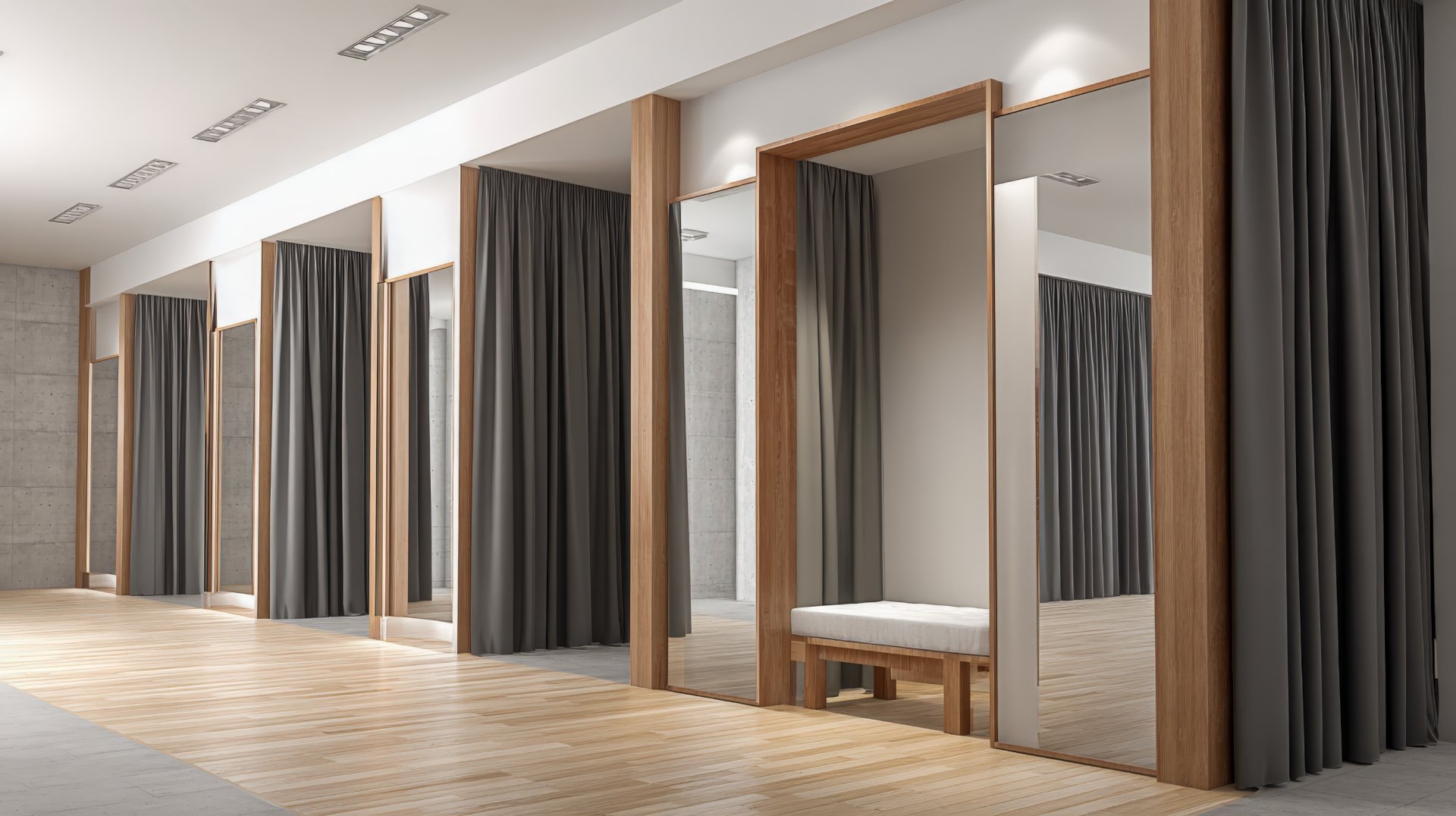


In interior design, some of the most transformative effects come from the details that do not immediately draw attention. One such element is curtain drape and fall, the way a curtain hangs, moves, and settles. It is a subtle visual cue that defines quality, craftsmanship, and atmosphere in both residential and commercial spaces. For designers, project managers, and curtain suppliers, understanding how drape and fall influence both form and function is essential to achieving refined results with Australian Made curtains.
What Is Curtain Drape and Fall?
Curtain drape refers to how fabric hangs when installed on a track or rod. Fall describes how the fabric settles from the heading to the floor, influenced by gravity, fibre composition, and construction. While the terms are often used interchangeably, drape focuses on movement and softness, while fall relates to structure and weight.
A curtain’s fall determines its line and presence within a space. Whether it forms crisp pleats that hold their shape or soft waves that pool gracefully, the fabric’s behaviour defines the visual rhythm of a room.
The Fabric Foundations of Drape
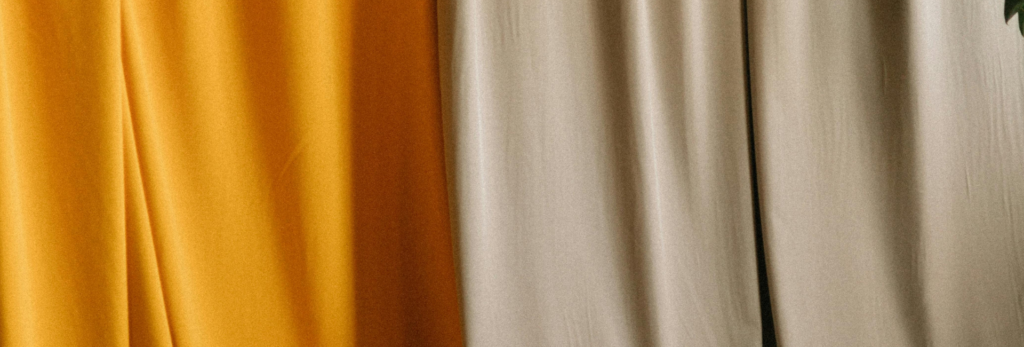
The drape of a curtain begins with its fabric composition. Natural fibres such as linen, cotton, and silk behave very differently from synthetics like polyester or blends that combine both.
Linen offers a relaxed, organic fall with visible texture, ideal for coastal and casual interiors. It softens over time but can crease easily.
Polyester and blends deliver a consistent drape and are less prone to shrinking or stretching. They are often used in commercial spaces where uniformity and performance matter.
Velvets and heavier jacquards create deep, structured folds that add a sense of formality and luxury. Their weight also enhances acoustic and thermal benefits.
High-quality manufacturers such as MAC Window Fashions work closely with leading brands like Warwick, James Dunlop, Mokum, Hoad, Zepel, and Basford Brands. These partnerships ensure access to fabrics engineered for both visual appeal and technical performance. The weave density, yarn twist, and finishing treatments all contribute to how a fabric falls once tailored into a curtain.
How Curtain Fabric Weight Influences the Final Look
Fabric weight, measured in grams per square metre (GSM), is a direct indicator of drape quality. Lighter fabrics create airy, flowing lines, while heavier textiles maintain structured pleats and a grounded appearance.
However, heavier does not automatically mean better. The fabric must be matched to the window size, heading style, and intended use. For tall windows or high ceilings, medium to heavy fabrics provide the right amount of visual balance. In smaller rooms or where natural light is essential, lighter fabrics maintain openness without compromising style.
For commercial projects such as hotels or aged care facilities, curtain weight also affects acoustic absorption and flame retardancy. Certified fire-resistant fabrics like FR-One meet stringent Australian standards while offering excellent fall and shape retention.
Construction: The Hidden Architecture of Drape
Even the finest fabric can lose its form if the curtain is not constructed correctly. Curtain heading types, including pinch pleat, S-wave, pencil pleat, and box pleat, dictate how fabric gathers and falls. Each heading requires precise calculations of fullness, spacing, and stitching depth.
For example:
S-wave headings are ideal for achieving continuous, symmetrical folds that create modern, architectural lines.
Triple pinch pleats produce deep, structured folds suited to formal interiors and hospitality projects.
Pencil pleats provide a versatile, adaptable look but rely heavily on even distribution and accurate tape tension for a consistent fall.
The use of interlining or double lining also enhances drape quality. Linings add weight, protect against UV exposure, and improve insulation, but they also stabilise the outer fabric, allowing it to fall smoothly without twisting or puckering.

Track Systems and the Role of Hardware
Curtain fall is not determined by fabric alone. The choice of track or rod system plays an equally critical role. High-quality hardware provides the foundation for smooth movement and even suspension.
Tracks should be installed level to within a millimetre to prevent uneven falls. Ceiling-recessed tracks, a popular choice in high-end residential and commercial design, create a seamless transition from ceiling to fabric. Curtains appear as part of the architecture rather than an afterthought.
MAC Window Fashions’ custom curtain tracks are engineered for durability and precision. When paired with Somfy motorisation, they ensure consistent spacing and controlled movement, maintaining perfect drape over time while enhancing user convenience.
Measuring the Perfect Drop
A curtain’s fall is measured from the top of the heading to the floor or sill. The decision to have the curtain kiss, hover above, or pool on the floor depends on both aesthetic intent and practicality.
Kissing the floor provides a tailored, contemporary look ideal for commercial and minimalist interiors.
Hovering slightly above (5–10 mm clearance) ensures longevity and cleanliness, particularly in hospitality or healthcare settings.
Pooling or puddling adds a touch of luxury and romance, but it is more suited to residential interiors with low-traffic areas.
Accurate measuring is essential. Even a slight variation in floor level or track height can alter how the fabric drapes. Professional installers factor in fabric shrinkage, typically 1–3% for natural fibres, and building movement to ensure the curtain maintains its intended line.
The Science of Curtain Movement
Beyond appearance, drape affects function. A curtain that falls evenly will glide more smoothly, resist snagging, and distribute weight evenly along the track. Uneven drape, by contrast, places stress on carriers and can distort pleats over time.
Gravity, humidity, and temperature changes all affect how a fabric behaves. In humid environments, natural fibres may lengthen slightly as they absorb moisture. Synthetic fabrics are more dimensionally stable but can develop static if unlined.
Designers and project managers can manage these variables by specifying fabrics that have been pre-shrunk, thermally stabilised, or coated for dimensional stability. These features are standard across the Australian-made curtain range from MAC Window Fashions.
Drape and Fall as a Design Language
The visual rhythm of curtain folds influences the perceived scale and proportion of a space. Consistent vertical lines elongate walls and create a calm sense of order. Softer folds with gentle curves suggest comfort and ease.
In open-plan living areas, hotel suites, and commercial lobbies, drape consistency across multiple windows unifies the space. It provides a subtle visual link between zones without overwhelming the design scheme.
For interior designers, understanding how drape interacts with light is equally important. Dense fabrics with structured falls create deep shadows that add depth to a room, while sheer fabrics with flowing drape diffuse light and soften architectural edges. The interplay between light and fabric movement creates atmosphere, a dynamic layer that changes throughout the day.

Why Drape Quality Defines Perceived Value
In a competitive design market, quality perception is everything. Clients and guests rarely analyse heading ratios or GSM ratings, but they immediately notice when curtains do not hang correctly. A poor fall can make even premium materials look inferior, while a well-executed drape elevates the entire space.
Australian-made curtains from MAC Window Fashions are tailored to maintain perfect fall and shape for years of use. Each curtain is cut, sewn, and finished to exact specifications, with consistent seam allowances and professional weighting that prevent twisting or uneven drops.
When curtains are custom made, every element, from the fullness ratio to the hem finish, is controlled. This precision ensures that the drape remains consistent, even when viewed across large spans or multiple window banks.
Drape in Large-Scale and Commercial Projects
In large-scale projects, consistency is critical. Variations in ceiling height, lighting, and glazing can affect how curtains appear from room to room. Project managers and designers working on hotels, multi-residential developments, or corporate spaces rely on strict quality controls to ensure visual uniformity.
In hotel design, for example, curtains must not only look beautiful but also perform technically, meeting acoustic, thermal, and safety requirements. The drape must remain identical from suite to suite, even with variations in lighting or interior palette.
MAC Window Fashions’ production processes are designed for scale, making us the best curtain manufacturing partner for all size projects. With Australian-made certification, we ensure quality control, shorter lead times, and the ability to replicate exact specifications across hundreds of windows. This local production capability gives designers greater confidence in achieving both performance and aesthetic goals.
Practical Tips for Achieving Perfect Drape
Select the right fabric composition. Consider weight, weave, and care requirements in relation to the project’s environment.
Allow sufficient fullness. A general guide is 2.2 to 2.5 times the window width for optimal pleating.
Invest in professional installation. A perfectly measured curtain can still fall poorly if the track is uneven or incorrectly aligned.
Use linings strategically. Linings improve drape, protect fabric, and support insulation and light control.
Specify appropriate heading styles. Choose headings that match both the fabric’s weight and the architectural intent of the space.
Ensure correct drop calculations. Account for flooring variations, shrinkage, and puddling requirements.
Maintain hardware quality. Pair premium fabrics with precision-engineered tracks or rods for consistent movement and appearance.
The Role of Weighting and Finishing
Bottom hems are more than aesthetic choices. Properly weighted hems allow fabric to hang straight and prevent twisting. High-end curtain makers often use lead or chain weights sewn into the base hem to stabilise the fall, especially for lighter or sheer fabrics.
In commercial applications, hem weighting also prevents air movement from causing visible rippling when HVAC systems operate. Combined with precise seaming, this results in curtains that look tailored and composed at all times.
Finishing treatments such as steaming or light pressing after installation help the fabric settle into its natural fall. Over a few weeks, gravity and movement complete the process, ensuring the folds remain even and defined.
Perfect Drape, Professional Results From Australia’s Leading Curtain Manufacturer
Curtain drape and fall are far more than decorative touches. They are essential components of design quality, performance, and longevity. From the selection of the right fabric and hardware to precision in construction and installation, every stage influences how a curtain behaves in its final environment.
For designers and project managers, understanding these technical details ensures that every window treatment contributes to the broader design vision. For suppliers and installers, it is a mark of craftsmanship that distinguishes professional, Australian-made work from mass-produced alternatives.
At MAC Window Fashions, every curtain in our MAC Made Range is made to measure, ensuring precise drape, perfect fall, and enduring beauty that transforms interiors across residential, commercial, and hospitality projects nationwide. Contact us today for more information or become a MAC partner to work with us for curtains and curtain track systems on your next project!